
Menu

First, there are two main categories of wooden flooring: Engineered Parquet and Solid Parquet. Let's start with the latter:
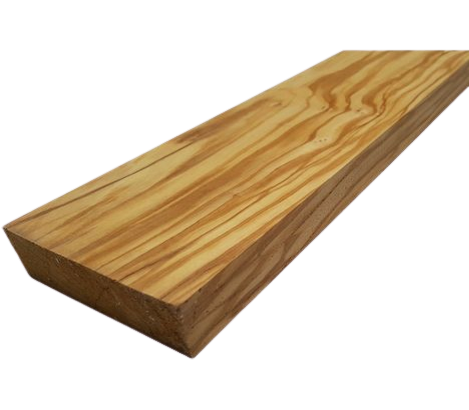
Solid Parquet
Solid Parquet is made entirely of noble wood (Oak, Teak, Olive, Wenge, Walnut, etc.). As wood is a living material that tends to "move" based on atmospheric conditions, solid parquet is more susceptible to "movement" throughout its entire dimension.
To ensure the long-term stability of the product, a specific ratio between thickness, width, and length must be maintained during construction. As a result, solid parquet is typically manufactured in smaller formats than engineered parquet.
As for installation, solid parquet is laid raw and untreated. Once installed, it needs about twenty days to settle. After this period, the floor can be treated (for example, varnished).
The parquet will be "ready for use" approximately twenty days after the treatment is completed.
Engineered Parquet
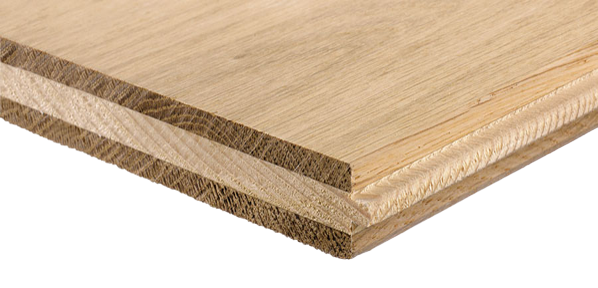
Engineered Parquet (also known as Prefinished) consists of multiple layers of wood. In all cases, the top layer is the noble wood, which will be visible once installed. For it to be classified as parquet, this noble layer must be at least 2.5 mm thick.
Beneath this layer is the core, which can be made from various materials (Birch Plywood, Fir, Rotary-cut Poplar, etc.) and consist of two or three layers.
At Menconi Parquet, each board features a 4 mm thick noble wood layer, allowing it to be sanded and refinished multiple times over decades, ensuring the parquet lasts "a lifetime." Furthermore, we exclusively use birch plywood for the core, which is by far the best material for creating a stable and durable floor over time.
Engineered parquet experiences natural movements almost exclusively in its noble layer. This characteristic allows for larger boards, which can reach lengths of up to 2.5 meters and a thickness of 15 mm.
Regarding installation, unlike solid parquet, engineered parquet is factory-treated and can be installed either glued down or as a floating floor (with an underlay; we'll delve deeper into the pros and cons of both installation types in a future discussion). The floor is immediately walkable and the space is usable, making it a very convenient option.
More information
While there's much more to say, we don't want to turn this into a five-page article. We'd like to conclude with a comment on how the invention of Engineered Wood Flooring has given a significant boost to the wood flooring industry. Factory production has made it possible to achieve extreme levels of customization and quality for parquet, especially concerning the various finishes.
This is precisely what inspires us, as we strive to offer over a hundred color options (both varnishes and oils), giving customers the ability to choose the exact flooring they envision for their space, without having to compromise or settle for anything less than their ideal.

.avif)


